


It seems that many gamers (and game devs) are keen to put games into specific categories. Is this game a tactical shooter? Real-time strategy? Role-playing (or Japanese role-playing)? Puzzle game? Platformer? Puzzle-platformer? The list goes on and on; it can seem daunting.

But good new, friends! At their core, video games tend to fall into three main categories: planning, practicing, and improvising.
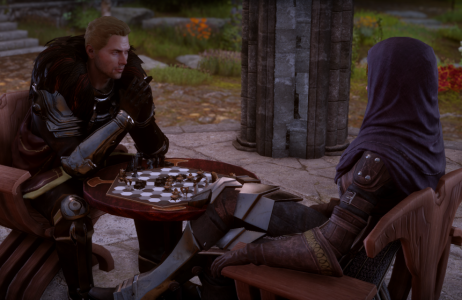
The first kind of game – planning – requires the player to prepare for the game. A general plan is created, but elements of play change and cause the player to adapt their plan to fit the current needs of the game. Games like Tetris, Magic: The Gathering, and – believe it or not – chess fall into this category. These types of planning games can’t be learned by rehearsal or by playing the game over and over again. Rather, the player has an understanding of the general rules and strategies of the game, and can apply them to unique situations as each new game warrants.
The second type of game are practice games. These are the games that you learn by rote. The baddies, power-ups, and paths never change, no matter how many times you play through the game. Games that fall into this category encourage the player to learn and master the specifics of the game. You become a guru of the environment through repetition and rehearsal of the motions, and you aren’t expected to “get it” the first time through. With a game in this category, it is imperative that you know why you failed, so you can learn from it and move past it the next time. A game like Battletoads would fall into this category, as would Demon’s Souls and Dark Souls <glares at them in her to-play pile>. Your memory (and muscle memory), more than your ability to adapt to the game environment, are tested during these games.

As an aside, not many games completely rely on this as a mechanic, since I’m not sure how much fun a 25-hour long memory test would actually be, but even in games like Shadow of the Colossus, Dragon Age: Any of Them, or The Legend of Zelda: Insert Subtitle Here, players can learn the patterns of certain baddies and exploit them. Also, for all you speedrunners out there, any time you run a game, this is what you’ve boiled the game down to!
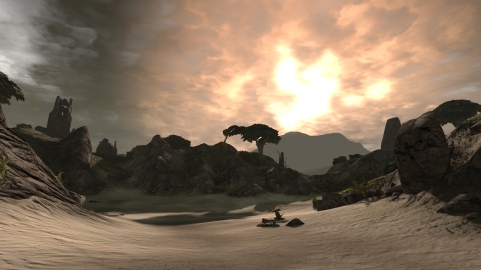
The third type of game is the improvisatory game. In this type of game, the player is literally making up what they’re doing as they go along without a clear plan and without the benefit of having practiced the “moves” before. Roguelike games fall into this category, as the environment and expectations of the player are constantly changing, and you need to grab whatever tools are available in the moment and utilizing them. Even games like the Grand Theft Auto series incorporate this type of gameplay. Have you ever accidentally tripped an alarm and found yourself swarmed by police? Most likely, you hadn’t prepared for that moment and suddenly you’re grabbing any car you can and turning down any street you can get around, trying to lose the cops. That’s improvisation.
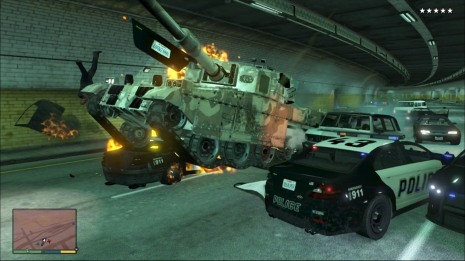
To be fair, it is rare that any of these are an exclusive gameplay type. Obviously, the Grand Theft Auto games are not completely improvisatory. There are many sections you can plan carefully, and others were you can have a general idea of what’s going on. Shadow of the Colossus offers times when you can play by rote, but you still have to adapt to the situation using the skills and knowledge you know. But, every game will use at least one of these styles of play.
Do the games you play fall into one of these categories, or a combination? Do you tend to like to see more of one type of play in your games? Let me know in the comments!
Thanks for stopping by, and I’ll see you soon!
~ Athena
What’s next? You can like and subscribe if you like what you’ve seen!
You can also:
– Support us on Patreon, become a revered Aegis of AmbiGaming, and access extra content!
– Say hello on Facebook, Twitter, and even Google+!
– Check out our Let’s Plays if you’re really adventurous!



 Ambigamingcorner
Leave a reply to LightningEllen Cancel reply