

This article is part of our Year of the RPG. You can read more about our Skyrim adventures here.
Following our first “best game ever,” Skyrim had some big shoes to fill, being hailed as another “best RPG ever.” And, to go a step further, it is arguably the game that has caused us all to become buried in open-world games, filled with fetch-quests and, sometimes, suffering from a sad touch of bloat.
But no one ever dares say such a thing about Skyrim. So does this installment of the Elder Scrolls series live up to its hype? Is its open-world somehow designed better or more effectively than other open world games? Or was it just the first of it’s kind, and is now able to sit back and relax on its laurels, knowing that it was first and, therefore, will always be seen as best.
Minor spoiler alerts for quest details and plot. There won’t be anything in-depth, but I will be referencing the world map and using quests as examples of how the open-world aspect of the game was utilized.

The Premise
Skyrim opens like other Elder Scrolls games: the playable character is a prisoner.After a spectacularly awful (and lucky) happenstance occurs, the character is spared from the chopping block, at which point he can choose to join with the rebels trying to usurp the law and order of Tamriel (the larger world that encompasses the land of Skyrim, if I’m not mistaken), or join with the Imperial Legion, or the folks who were just willing to kill the playable character even though he/she was not on the list of poor souls facing execution.

After this harrowing choice that must be made in the heat of battle, the playable character eventually discovers that he/she is something called dragonborn, or one able to slay dragons and absorb their souls so they cannot be raised from the dead, due to…
One of the hardest things about getting in to Skyrim was the information dump at the beginning. Within the first five minutes I found myself inundated with terms, names of places and people, and information that, quite honestly, I could not relate to you even if I tried. While the game does a good job, then, of disorienting the player – especially if the player has not been keeping up with the Elder Scrolls lore – by the time I was learning about being dragonborn my head was already spinning from information overload.
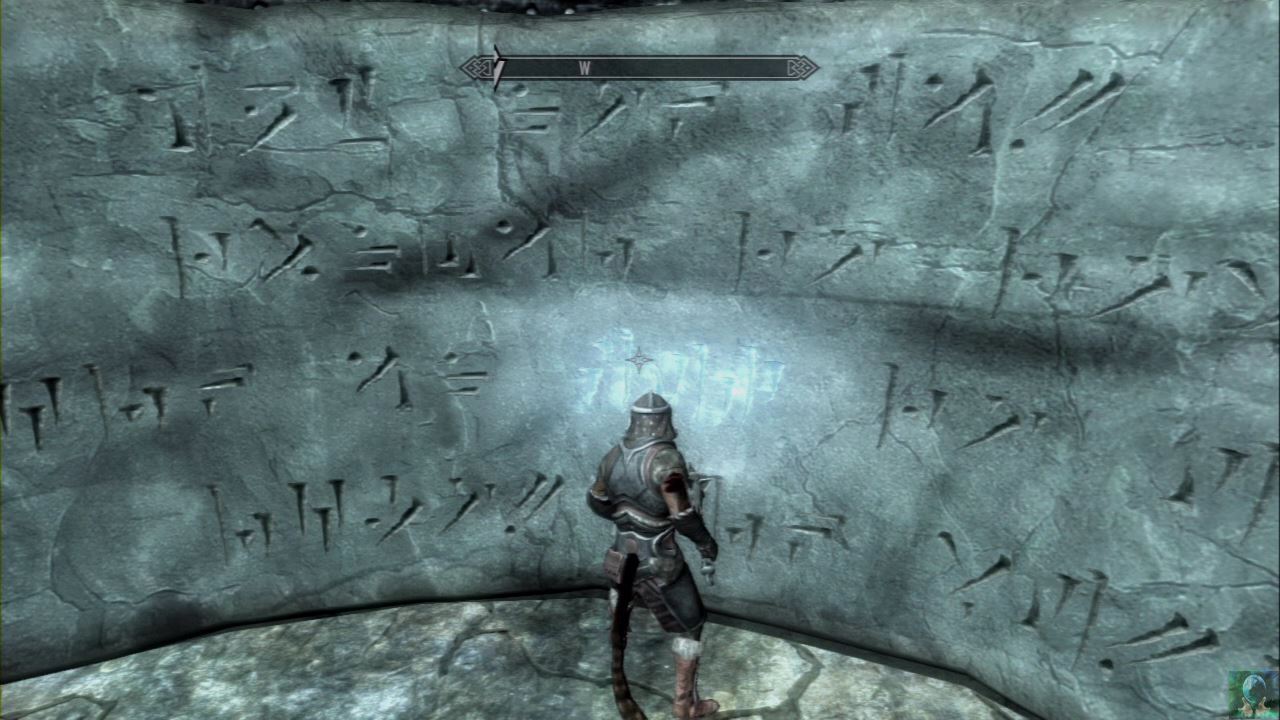
However, after the first hour or so the information seemed to come at more manageable bits, at which point I put together that there were a number of unrelated conflicts occurring in Skyrim: the civil war between the Imperial Legion (representing the Empire) and the Stormcloak rebels, and the impending end of the world brought about by the dragon Alduin, who was raising dragons from the dead as he worked his way through his quest.
Once I had that sorted out in my head, things made a little more sense. The dragon had nothing to do with the execution; it was a separate issue that happened to cross with the plot that was occurring at the time. We’ll talk about this a little more in a bit, but this is the key element that gives Skyrim it’s magic in a gaming environment so overstuffed with open-world games.
Combat made sense and, at least for a sword-and-shield warrior, was simple. Blocking was actually important and shield bashing became one of my go-to opening moves. It took a little bit of time to get the aiming correct in third-person, as this is a game designed for first-person, but it worked. I did find first-person combat was a bit easier in regards to precision, but that can only be expected.
The leveling system was somewhat overwhelming at first, but after spending a few minutes clicking around I was able to come up with a plan for my character. There are many skills to level, and a lot of flexibility for the type of character you want to play as, which is one of my favorite things about leveling in other games, say, Dragon Age: Origins.

The scenery is, of course, gorgeous. If there is one thing that was hyped about the game and that never once disappointed, it was the sweeping vistas that Skyrim is rightfully well-known for. And the music is very well-composed and utilized well, in a sort of Zelda-like fashion, insofar as the different themes for the different areas or situations blend seamlessly together.

The Map
The map, as you would imagine, was vast, and each landmark the playable character (named Ra’zirr, in my case) stumbled across was added to it, and made a fast travel point. The sweeping landscapes were beautiful, detailed, and breathtaking, even on the regular Playstation 3 version that I played.
Part of what made the (occasionally tedious) travel across the countryside so memorable was not only the random encounters with buildings, characters, and creatures of all kinds, but the music subtly changed and seamlessly flowed from one theme to another as the character changed areas on the map. I tried to find patterns, but the changes were not intrusive to the point that I only ever clearly and consistently was aware of the music shifts when the character entered a snowy area and the music that played during battles.

With such a huge map, it seems that fast travel points are inevitable, but around halfway through the game I found myself skipping the option to continue exploring the vast countryside – even knowing that I could enjoy the music, see the sights, and probably run into something interesting – in order to utilize a fast travel point (or, occasionally, hire a cart), whether to warp directly to my destination or get close enough that I didn’t have to run across the entire countryside to complete the five-minute quest I was heading for.
While beautiful, and while it offered many hidden gems to find through exploring, getting lost, and simply wandering through Skyrim to discover its secrets, the sweeping landscapes of Skyrim were, at the end of the day, just as empty (or full) as the sweeping landscapes of a game like Dragon Age: Inquisition. I was honestly shocked when I found myself making that comparison. So what, then, was the difference?
The Magic
In all honesty, I would say that Skyrim and Inquisition are both enormous games with plenty of distracting sidequests. What differed between them was how those sidequests fit into the story, and the importance that was assigned to them. Before making this comparison, I want to be clear that I went in to Inquisition planning on playing on full hero mode, whereas in Skyrim I was playing as “lawful evil.” I therefore completed fewer sidequests in Skyrim than Inquisition.
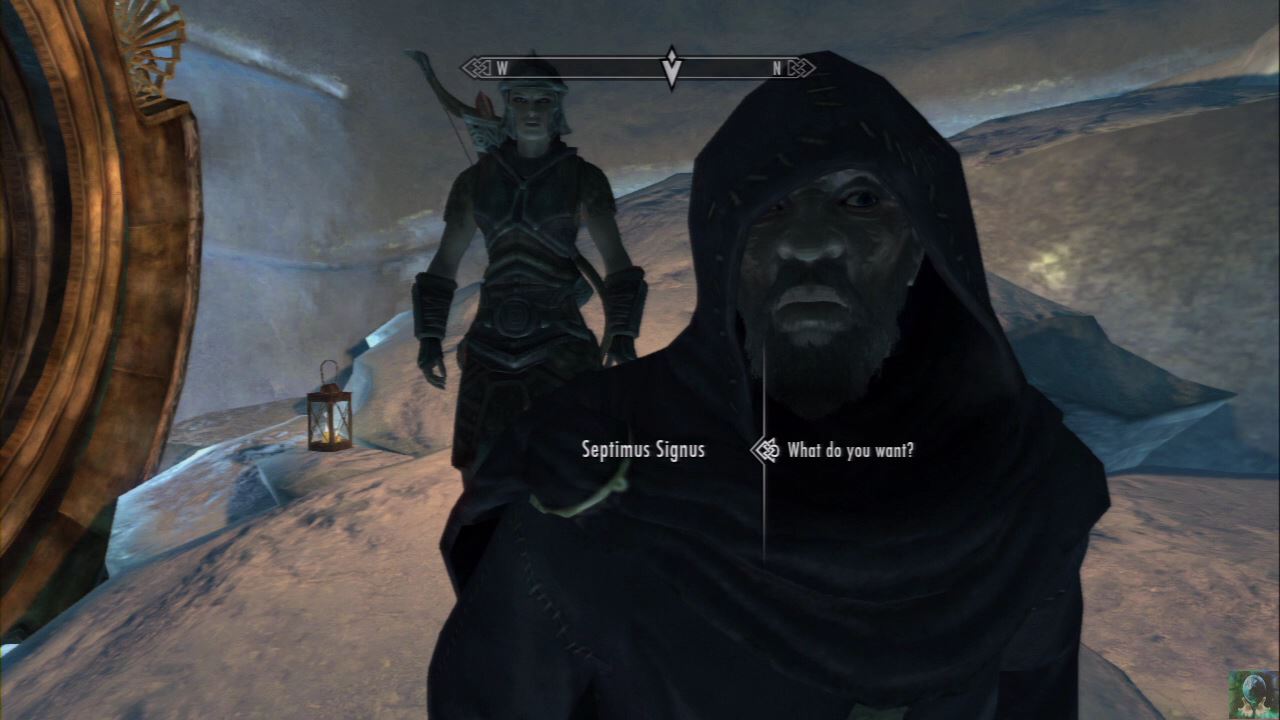
In Skyrim, I found myself really being fascinated by the unique-sounding sidequests. Sure, at the end of the day clearing out a hovel full of witches and fighting through a burial ground for the Companions both amounted to hitting things with a sword until they fell down and didn’t get back up, but each quest felt like it had some sort of purpose for your overall goal. To compare to Inquisition, I found that a lot of sidequests turned into glorified fetch quests, to the point that my Inquisitor delivered a ring to a grave and gained some Inquisitorial power, because… reasons?
So, it sounds like Skyrim had the better design. But… well I’m not so sure.
Like I mentioned, I played Skyrim much differently than I played Inquisition (or any other open-world game I’ve played). The real eye-opener though was when I realized that I felt relieved when I decided that a “lawful evil” character wouldn’t do a particular quest. So it is completely possible that I skipped over the annoying quests that would have changed my mind about how well the open world was put together.
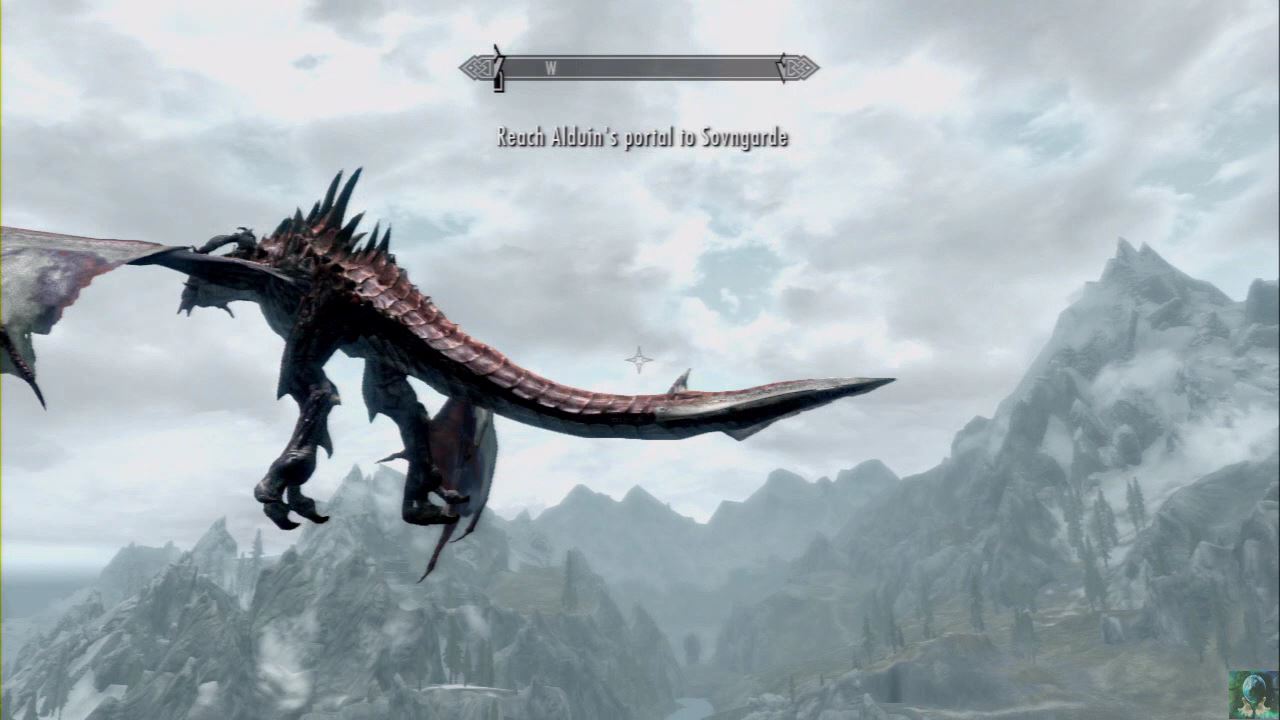
However, one piece of the puzzle that Skyrim does very well is give the player freedom, and this is the point that I think makes Skyrim stand out. There really isn’t a hard-and-fast story, other than the civil war and the dragon/end-of-the-world business. The entire adventure is the story of the playable character, so lore is being created as you go along. I think where other games stumble is trying to tell a concrete story while throwing piles and piles of sidequests at the player that are only tied to the story loosely, at best.
For me, Skyrim was a story of Ra’zirr’s rise in rank and power. So each quest I did felt like it added to that, because the quests I did added to his personal story. In other open-world games, there are story missions, and sidequest missions, and they’re pretty much in separate columns. In Skyrim, they seemed to bleed into each other a little bit, because, like the physical world, the land of Skyrim existed and the player was plopped into it and told to go be a functioning person. And, of course, in a real, breathing world, there aren’t clear dividing lines between “main quest” and “side quest,” are there? For a while, I played through the Companion sidequests, but I never felt like I was distracted from the main story because, well, at that point in Ra’zirr’s life, that was the main story.
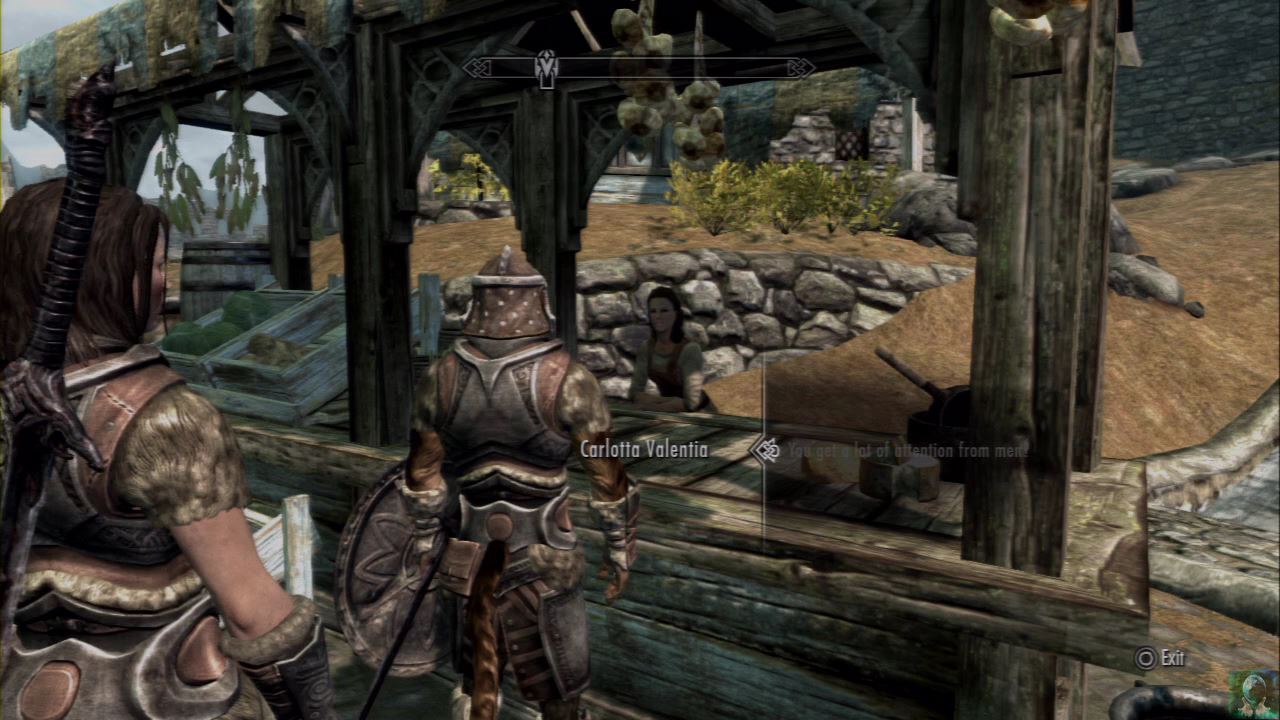
And who is to say what is a sidequest or a main quest in each of our lives?
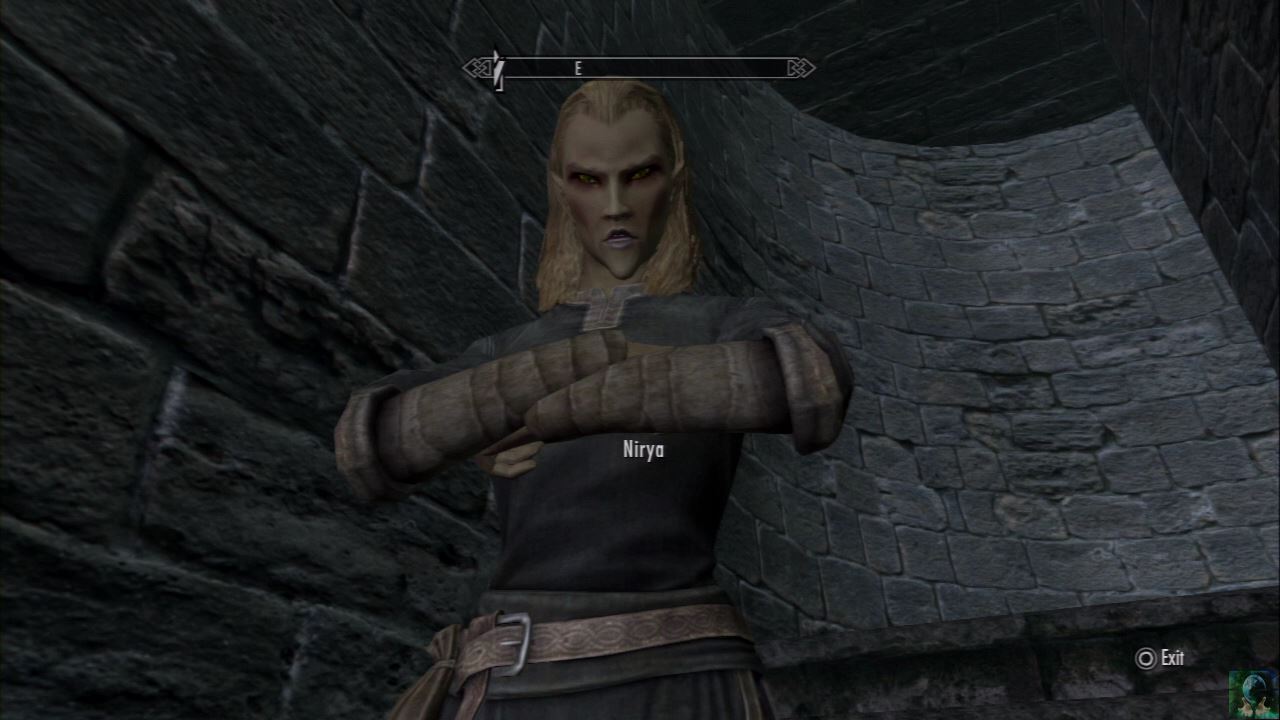
Of course, Skyrim isn’t without its flaws. I think the entire game had about five voice actors in it, which was sort of funny, especially when you’d walk past a few different NPCs only to hear the same voices coming out of them. Characters babbled at you as you walked by, which was sort of annoying after you heard, “Ever think of mercenary work? It might suit you” for the millionth time.
But these are minor nit-picks in the overall game, and certainly weren’t enough to detract from the experience.
Oh, and I only came across one soldier who took an arrow to the knee, and I was a little disappointed about that. However, I came across a soldier who used to be an adventurer like me, before he took a sword to the chest. I almost fell out of my chair in shock.
The Conclusion
Skyrim is certainly a leader among open-world games, and it’s easy to see why subsequent games tried to capture the magic. However, it’s also easy to see how the other games fell flat; simply including a huge map with minor sidequests is not the way to emulate the special experience that is found in Skyrim, nor is simply giving a person freedom to get lost and become burned out on quests that don’t pertain to the main story.
Because of Skyrim‘s build-your-own story format, there was no chance of forgetting the main story, because literally any quest could be part of the character’s “main story” – that is, his or her life. After all, as I mentioned, who is to say which events in your own life are “main quests” or “sidequests”? They all seem to have meaning in some capacity when you are going through them, don’t they?
Skyrim‘s “X factor” lies in its ability to let a person really lead an alternate life and build that life in a living, breathing country. Sure, it’s not without its flaw, bugs, repetitive conversations, and sometimes-irritating NPCs, but, well, isn’t any life like that?
I would recommend Skyrim to anyone who wants to see a sterling example of what an open-world game should be like, and to those who want to experience the sprawling game that started it all. If you are a fan of build-your-own-adventures, exploring, and are open to always having a game surprise you with its level of care and detail, Skyrim will not let you down.
Have you played Skyrim? What did you think about it? Does it suffer from open-world bloat, or perfect in every way? Let me know in the comments!
Thanks for stopping by, and I’ll see you soon!
~Athena
Like and subscribe so you never miss an article, and, hey, we run on comments and coffee, so leave a comment below and become an Aegis of AmbiGaming, too!



 Ambigamingcorner
Leave a reply to Aether Cancel reply